Cafe Takeaway Ideas for Busy Urban Customers
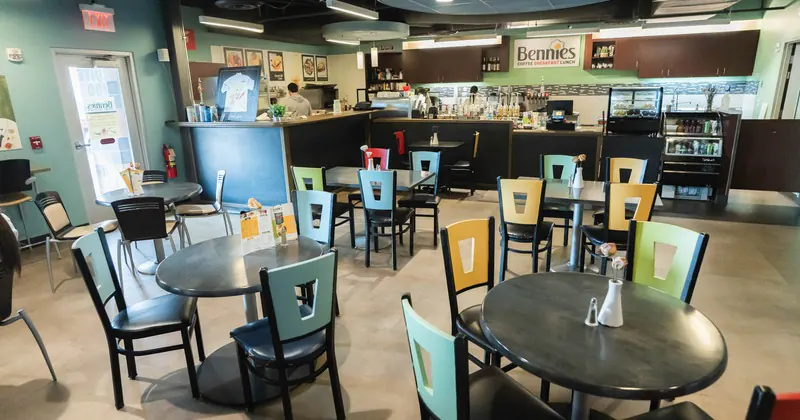
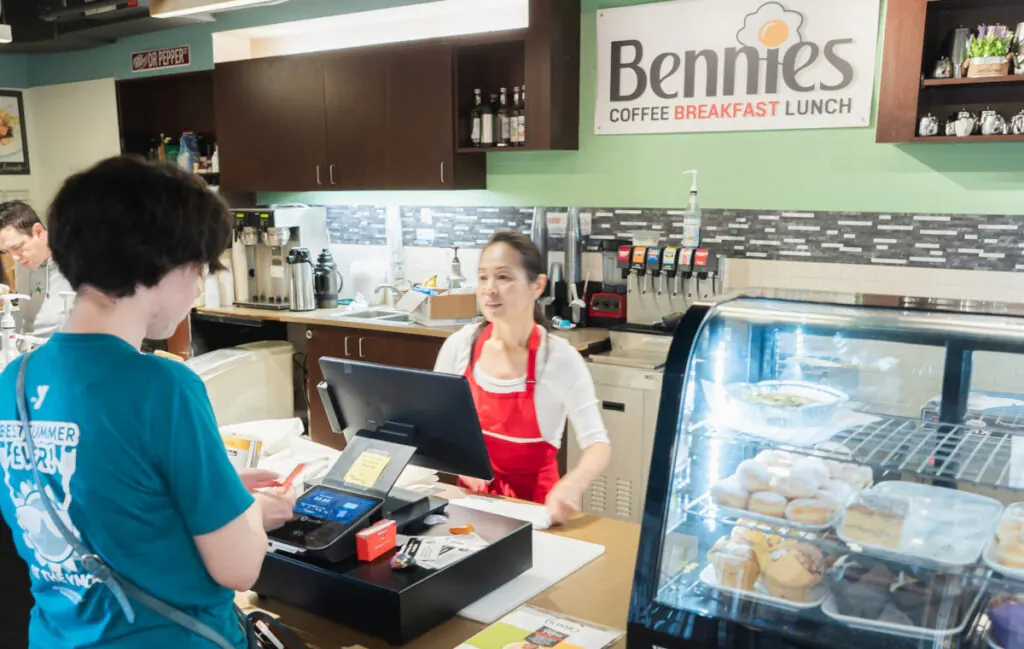
A city cafe rarely competes on coffee alone. In dense neighborhoods, customers are often making decisions while crossing a street, watching a train countdown, or trying to answer a message one-handed. They want something good, quick, portable, and worth the price. That combination sounds simple, but anyone who has run a takeaway-heavy service knows how many moving parts sit behind it. The menu has to travel well. Packaging has to protect quality without slowing the line. Staff need products they can assemble consistently at speed. Most of all, the offer has to fit real urban habits rather than an idealized brunch mood that exists only on mood boards.
The strongest takeaway ideas usually come from observing patterns that repeat every day. Office workers who appear at 8:10 are not shopping the same way as freelance regulars at 10:45. Parents with strollers have different needs from cyclists, delivery couriers, and students heading to class. A smart cafe notices those differences and builds a menu around them. That does not mean making the menu bigger. In practice, tighter menus often perform better because they reduce hesitation, reduce waste, and help customers trust that the kitchen knows exactly what it is doing.
What busy urban customers actually buy
People in a rush tend to buy with three filters in mind, even if they never say them out loud. First, can I carry this without trouble? Second, will it keep me satisfied long enough? Third, can I get it fast? Flavor still matters, of course, but portability and speed often decide the sale.
That is why certain products reliably outperform more elaborate options. A beautifully plated ricotta toast may impress dine-in guests, but it becomes a liability the moment someone needs to carry it six blocks. By contrast, a breakfast wrap with eggs, greens, and a sharp sauce often sells all morning because it is self-contained, filling, and forgiving in transit. The lesson is not that wraps are inherently better than toast. The lesson is that takeaway design should begin with movement. A customer walking, driving, commuting, or heading into an elevator experiences food differently from someone seated at a table with cutlery and time.
I have seen cafes transform takeaway sales simply by replacing fragile menu items with more resilient versions. Open sandwiches became pressed ciabatta pockets. Yogurt bowls turned into layered sealed pots with toppings packed separately. Large iced drinks were re-lidded with spill-resistant tops rather than domes that slosh in motion. None of those changes altered the brand identity. They just respected the customer’s context.
The breakfast window is where many takeaway habits are formed
Morning trade has its own rules. Customers are usually less adventurous before 10 a.m., especially on workdays. They reach for what feels dependable, energizing, and easy to consume. For a cafe that wants stronger takeaway performance, breakfast is often the first place to refine the offer because the demand is both frequent and pattern-driven.
Portable egg formats remain a workhorse for good reason. Egg muffins, breakfast burritos, soft breakfast rolls, and folded omelet sandwiches can all be prepped for fast finishing. The best versions avoid being too wet, too tall, or overloaded with ingredients that slip out after one bite. If a customer needs two napkins and a full stop to eat it, it is not a strong urban takeaway product.
Pastries still have a place, but they benefit from being positioned as part of a pair rather than a standalone solution. A croissant and coffee may satisfy some customers, but many people now expect more protein or staying power. This is where cafes can increase average ticket value without feeling pushy. A small yogurt pot, a boiled egg pack, or a fruit cup next to the pastry refrigerator gives the customer a quick way to round out breakfast without creating a custom order.
Oatmeal is another underestimated takeaway item in urban settings, especially in cooler months. Done badly, it becomes glue by the time the customer opens it. Done well, it travels beautifully. The difference lies in hydration and topping strategy. Keep the oats loose enough to continue absorbing without hardening, and separate crunchy toppings until pickup. A cafe near office blocks can sell a surprising volume of porridge if the flavor profiles feel thoughtful rather than medicinal. Cinnamon pear, banana tahini, or apple compote with seeds tend to read as satisfying, not austere.
Lunch works when it feels fast, but also complete
The midday takeaway customer is more demanding than the breakfast customer. They are often hungrier, less patient, and more price-sensitive. They may also be buying for a colleague or bringing food back to a desk. Lunch therefore needs to answer a broader question: does this feel like a proper meal?
This is where many cafes drift into a common trap. They stock a patchwork lunch menu with paninis, salads, soups, grain bowls, wraps, and daily specials, but none of it moves quickly enough to stay sharp. A better approach is to pick a few lunch formats and execute Cafe them hard. If sandwiches are your anchor, build a compact range with clear differences in texture and flavor. One should be light and fresh, one rich and indulgent, one vegetarian that is not an afterthought, and one rotating seasonal option to create interest for regulars. A menu like that feels abundant even when it is disciplined.
Grain bowls can perform well in city cafes, but only if they are engineered for speed and value. Customers will pay for them when they look colorful, feel nourishing, and avoid the sad uniformity of over-dressed grains and soft vegetables. Separate wet and crisp elements whenever possible. Build contrast into every bowl, something roasted, something fresh, something creamy, something acidic. If all the components blur into a single texture after fifteen minutes in a container, repeat sales fade quickly.
Soup remains profitable and popular in colder climates, though it needs practical pairing. A standalone cup may attract a few customers, but a half sandwich and soup combo turns it into a lunch decision. The combo matters because customers often want help choosing. Urban takeaway is full of tiny moments of decision fatigue. The more often the cafe can quietly solve those moments, the smoother sales become.
Snacks and mini meals fill the gaps between major dayparts
Not every sale needs to be breakfast or lunch. In many city locations, the hours between 2 p.m. And 5 p.m. Are shaped by people who want a bridge, not a feast. They need enough to keep going until dinner, a workout, an evening commute, or school pickup. This is a chance for cafes to broaden the takeaway mix without drifting into clutter.
Mini frittata slices, hummus snack boxes, cheese and fruit packs, banana bread, filled brioche, rice pudding pots, and energy bites can all work if they feel fresh and intentional. What does not work is the neglected refrigerator of random leftovers disguised as a retail offering. Customers can sense when takeaway is an afterthought.
A useful test is whether the item feels like a small pleasure or a compromise. A well-made olive oil cake in a secure sleeve can be exactly right for a 4 p.m. Break. So can a chilled noodle salad with herbs and sesame, if the portion is modest and the texture holds. The key is to respect appetite timing. At that hour, heavy and messy often underperform. Portable, balanced, and mildly indulgent usually wins.
Drinks deserve more attention than they often get
Most operators understand coffee, but fewer fully exploit what drinks can do for takeaway convenience and margin. Urban customers often want beverages that double as fuel, comfort, or a small treat. That opens space beyond espresso and tea.
Iced matcha, cold brew, chai, and seasonal flavored lattes all travel well when built consistently. The challenge is not the recipe. It is pacing. If a customer waits seven minutes for a complicated drink while simpler items pile up, the whole line feels slower. High-performing cafes often separate menu ambition from service reality. They simplify garnishes, standardize ice levels, and use pre-batched components where quality allows.
Bottled or canned house drinks can also be strong sellers. Think black coffee, oat latte, hibiscus tea, lemonade, or sparkling citrus tonic prepared in small batches. These drinks reduce queue pressure because they can be grabbed quickly, and they are especially effective during morning rushes when customers would otherwise abandon the line.
A good cafe also thinks about the physical reality of carrying a drink alongside food, a laptop, and a phone. Cup carriers, secure lids, and sensible cup sizes are not glamorous details, but they influence repeat business more than many owners expect. A spill at 8:40 a.m. Is not forgotten.
Packaging can make or ruin a great idea
Packaging tends to enter the conversation late, usually after the menu is already set. In practice, it should be part of product design from the beginning. The right packaging preserves texture, prevents leaks, supports branding, and helps staff move quickly. The wrong packaging creates waste, slows assembly, and leaves customers eating steamed bread or soggy greens.
Hot food needs ventilation when crispness matters. Cold food needs containment without crushing. Sauces should travel separately unless they improve the product by soaking in. Labels matter too, particularly in mixed office orders. A sticker with the item name, allergens, or a simple color code can save confusion at handoff.
Compostable packaging is important to many urban customers, but sustainability claims should be handled carefully and honestly. A poorly designed compostable box that leaks oil or collapses in rain is not a win. Better to choose sturdy materials, reduce unnecessary components, and communicate clearly about disposal than to over-promise. Customers generally appreciate sensible environmental choices, but they care just as much about whether the package works.
There is also a hidden labor factor. Packaging with fiddly closures or awkward folds adds seconds to every order. Over a lunch rush, those seconds stack up into real staffing pressure. One cafe owner I know changed sandwich sleeves and cut average pack time noticeably, not by speeding up staff but by removing a clumsy motion repeated hundreds of times a day. Small operational choices often produce the biggest takeaway improvements.
The menu should reflect the neighborhood, not a generic trend cycle
A cafe beside a train station will not sell exactly like one near a hospital, university, or design studio district. This sounds obvious, yet many menus are built from trend imitation rather than local observation. Operators see what is popular online and import it without asking whether it fits their foot traffic.
A neighborhood with heavy commuter flow may reward highly portable breakfast bundles and premium coffee subscriptions. A district with many freelancers may support slower-selling but higher-margin lunch bowls and better pastries through the late morning. Near schools, smaller portion sizes and lower-spill drinks may matter more than novelty. Close to gyms, protein-forward items and low-sugar beverages often move better.
The easiest way to learn is still direct observation. Watch what customers ask for, what they leave behind, and what time each product moves. Listen for quiet friction, requests for cutlery, complaints about heat retention, questions about whether an item can be eaten one-handed. Good takeaway ideas often begin as repeated customer workarounds. If people keep asking you to slice a sandwich in halves, they may be sharing it. If they ask whether a bowl can be wrapped tighter, they may be eating on the move. Patterns like that are operational gold.
Practical takeaway formats that usually earn their space
Not every concept suits every cafe, but a few formats prove themselves repeatedly because they balance speed, familiarity, and margin.
- breakfast wraps or rolls with one vegetarian and one meat option
- sealed yogurt, chia, or oats pots with toppings packed separately
- pressed sandwiches or focaccia that hold structure in transit
- composed salad or grain boxes with dressing on the side
- bottled house drinks for grab-and-go purchases
These formats work because they answer multiple needs at once. They can often be prepped in advance, they tolerate short holding times, and they are easy for staff to explain quickly. The point is not to copy them blindly. It is to understand why they perform, then adapt them to the cafe’s identity.
Speed matters, but perceived speed matters just as much
Customers do not always need service to be objectively fast. They need it to feel smooth, clear, and under control. A four-minute wait with visible organization often feels better than a three-minute wait in confusion. For takeaway, that distinction matters.
Menu boards should be legible at a glance. Ready-made items should be visible without crowding the counter. Pickup areas should be obvious. Staff should know which items can be recommended quickly when a customer asks for something “light,” “filling,” or “not too sweet.” These details reduce mental friction. In a city environment, reducing friction is almost a product category of its own.
Pre-bundled offers can help here, especially during rush periods. A coffee plus breakfast item at a clear price, or a lunch set with drink add-on, simplifies ordering without forcing choice. The offer should feel like a convenience, not a sales trick. If it is priced sensibly and assembled well, customers read it as helpful.
The language used at the point of sale also matters. “That one travels well” is often more persuasive than a long description. So is “this is our fastest lunch option if you’re in a rush.” Busy customers appreciate cafes that respect the clock they are living by.
A few ideas that sound good on paper but often struggle
Some takeaway concepts fail not because they are bad food, but because they ask too much of the setting. Knowing what to avoid is as useful as knowing what to launch.
- tall layered foods that collapse or smear before the second bite
- dishes with crispy and wet elements packed together too early
- highly customized menus that slow service during peak periods
- oversized portions that are awkward to carry and hard to finish
- trend items with expensive ingredients but weak repeat appeal
This is where operator discipline matters. Social media can flatter products that do not survive real usage. A photogenic stack of pancakes in a to-go box may draw attention online, but if customers buy it once and never again, the product is taking up valuable space. Sustainable takeaway Cafe success usually comes from repeatable satisfaction, not novelty alone.
Pricing, margin, and portion control need clear thinking
Takeaway can look deceptively profitable because labor at the point of service appears lower than full table service. Yet packaging costs, spoilage, and rushed production mistakes can quietly erode margin. Successful cafes price takeaway items with a cold eye and a practical one. They know exactly what each package costs, how long each item takes to assemble, and how much waste each component creates.
Portion control is part of customer trust. If one grain box feels generous and the next feels skimpy, regulars notice quickly. Standardized scoops, visible portion guides, and a prep system built for consistency are not glamorous, but they protect both margin and reputation.
There is also a strategic question around premium items. Urban customers will pay more for convenience when quality is obvious. A cafe can often charge a healthy price for a well-built sandwich or excellent bottled latte if the ingredients, packaging, and presentation support it. What customers resist is inflated pricing on products that look generic or travel poorly. Takeaway pricing should always feel anchored in usefulness as much as flavor.
The best takeaway menus evolve through testing, not guesswork
No operator gets every product right the first time. The sensible approach is to test carefully, adjust quickly, and keep the menu coherent while learning. Launch a small number of new items, watch sell-through, ask staff what customers say, and review how the items hold up after ten or twenty minutes out the door.
Sometimes the winning adjustment is tiny. A bread swap can fix sogginess. A smaller container can improve perceived fullness. A sauce moved to the side can turn a one-time buyer into a regular. Sometimes the answer is to remove an item entirely and admit it was better in theory than in practice. That kind of honesty keeps a cafe sharp.
Busy urban customers are not asking for miracles. They want food and drink that fit the tempo of their day without feeling careless or forgettable. The takeaway ideas that endure are the ones built around that truth. They travel well, taste good, satisfy real appetites, and respect the time pressure of city life. A cafe that gets those basics right does more than increase sales. It becomes part of the daily rhythm people rely on, and that is where loyalty starts.
Bennies Cafe
17230 Jackson Creek Pkwy Ste 100, Monument, CO 80132
+1 719-445-0660
FAQ About Cafe
What is considered a café?
A café is generally an informal place to enjoy refreshments and a meal. Bennies Cafe in Monument serves breakfast and lunch in a counter-service setting, with options including eggs Benedict, sandwiches and crepes. Guests can eat in or arrange pickup.
What is the difference between a coffee shop and a café?
The terms often overlap. A coffee shop usually emphasizes coffee and other drinks, while a café may offer a broader food menu. Check the individual establishment's menu rather than relying on its name. Bennies Cafe offers coffee drinks alongside breakfast and lunch dishes.
What is the difference between café and coffee?
In everyday English, a café is a place where people buy food and drinks, while coffee is the beverage. The word café comes from the French word for coffee. Bennies Cafe serves options such as brewed coffee, espresso and lattes as part of its drinks menu.